

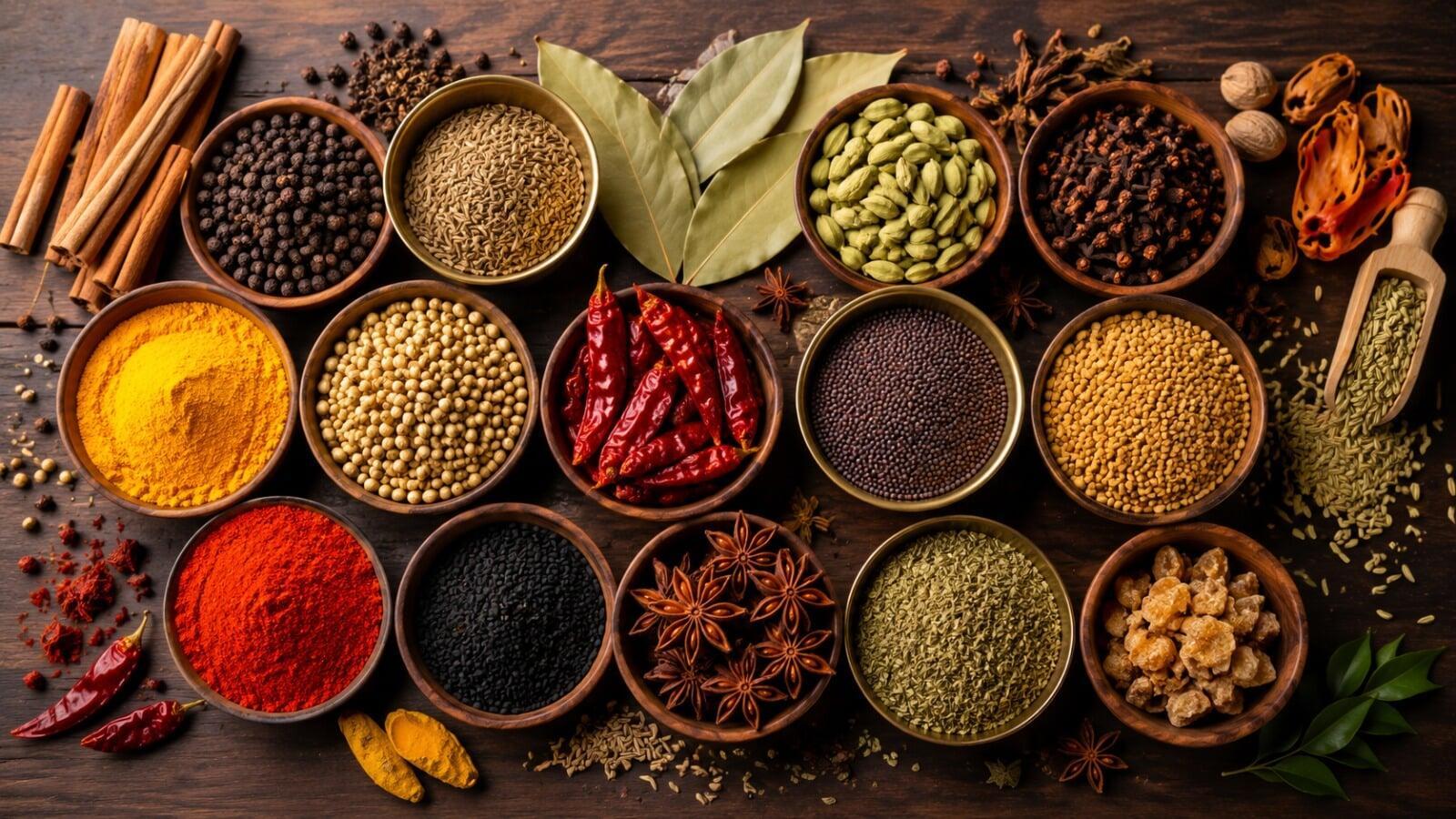
- Chronic Inflammation? Turmeric (along with black pepper and healthy fats) helps to suppress inflammation signaling pathways within your cells.
- Need to Stimulate Healthy Digestion? Have Cumin, Fennel, and Carom (Ajwain) to stimulate digestive enzymes.
- Proper Metabolism and Stable Blood Glucose Levels? Cinnamon and Fenugreek (Methi).
The Indian kitchen has always been where cooking has been turned into an art. As per Ayurvedic beliefs, in traditional Indian kitchens, the Indian spices stored are part of an old medicine cabinet called the masala dani wherein the healing properties of all Indian spices take second place behind the use in cooking.
While these spices make food more delicious, adding flavor to dishes made with legumes and vegetables, the role they play in boosting one's health exceeds any other. With an understanding of health benefits of Indian spices ranging from optimizing metabolism to reducing inflammation, you can keep several diseases at bay.
The 15 Indian Spices You Should Know About
Continue reading to learn more about the health benefits of Indian spices.
1. Turmeric (Haldi): The Yellow Spice
Any talk of traditional Indian spices cannot be complete without mention of the yellow spice known as Haldi. Curcumin is an extremely strong lipophilic polyphenolic substance that gives turmeric its unique color and medicinal properties.
Since the availability of curcumin as a spice on its own is rather low, Haldi must always be prepared together with black pepper and some fat such as ghee and coconut oil. Piperine found in black pepper increases curcumin absorption by 2000 percent.
Main Medicinal Properties: Anti-inflammatory agent, joints pain reliever, and brain booster.
Method of Consumption: Prepare golden milk with turmeric and black pepper added to warm milk, or prepare a lentil curry from it.
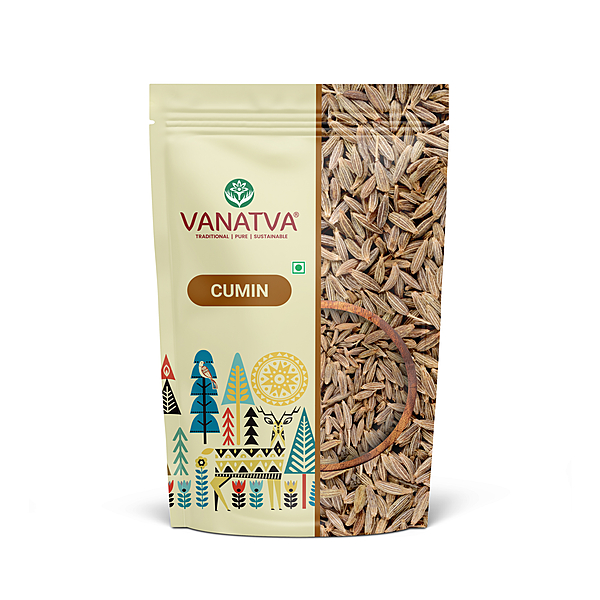
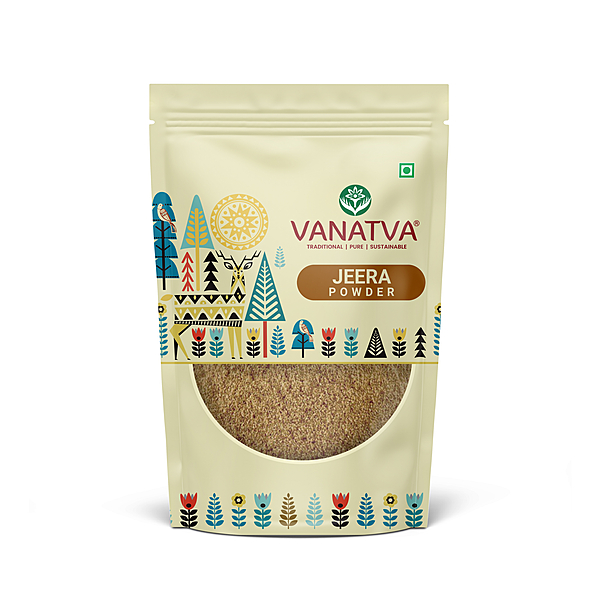
2. Jeera / Cumin Seeds – The Digestive Agent
The chief conductor of the tempering process (Tadka) in Indian cuisine. Cumin seeds not only add a pungent taste and aroma but also possess thymol, a compound in cumin that stimulates the pancreas to secrete digestive enzymes.
Various studies prove that cumin seeds can increase the digestion process, remove gas in the body, and also treat Irritable Bowel Syndrome (IBS). In addition to helping in digestion, they also help in absorbing iron in the body. Hence, it is an essential part of the vegetarian and vegan diet.
Nutritional Advantages: Increases absorption of nutrients and reduces blood sugar.
Ways to Consume: Dry roast the seeds till they develop a strong aroma. Then, grind them to a fine powder and sprinkle on Raita or Buttermilk.
3. Black Pepper (Kali Mirch) – The King of Spices
Being historically valued so highly that it was called “black gold,” black pepper is far from being an ordinary ingredient in cooking. Piperine is the principal alkaloid contained in black pepper, stimulating metabolism and enhancing absorption of nutrients.
When the taste of black pepper is perceived, it triggers secretion of extra hydrochloric acid by the stomach, hence ensuring efficient protein digestion without fermentation. Besides, piperine exhibits thermogenic properties and helps boost metabolism.
Main Benefits for Health: Significantly increases absorption of nutrients, improves digestive system functioning, and stimulates metabolism.
Use Method: Crumbled black pepper seeds should be added into dishes at the final stage of their preparation.
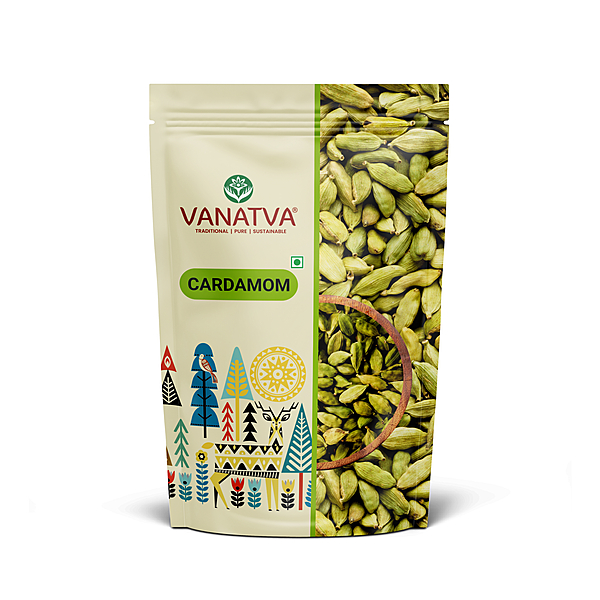
4. Cardamom (Elaichi) - The Queen of Aromatics
Available in two types – Green (Choti Elaichi) and Black (Badi Elaichi), cardamom is famous for its cooling and aromatic properties. Cineole and limonene are found abundantly in green cardamom, making it an effective diuretic and a gastro-tonic.
The chemical composition of green cardamom helps in maintaining healthy blood pressure levels because of its ability to alter calcium channel function and promote urinary fluids excretion. The black cardamom, known for its smoky and rustic aroma of camphor, makes an excellent decongestant.
Main health benefits: Reduces blood pressure, removes oral bacteria and cures respiratory congestion.
Application Method: Ground green cardamom can be added to your daily tea whereas whole black cardamom can be used in soups and stews.
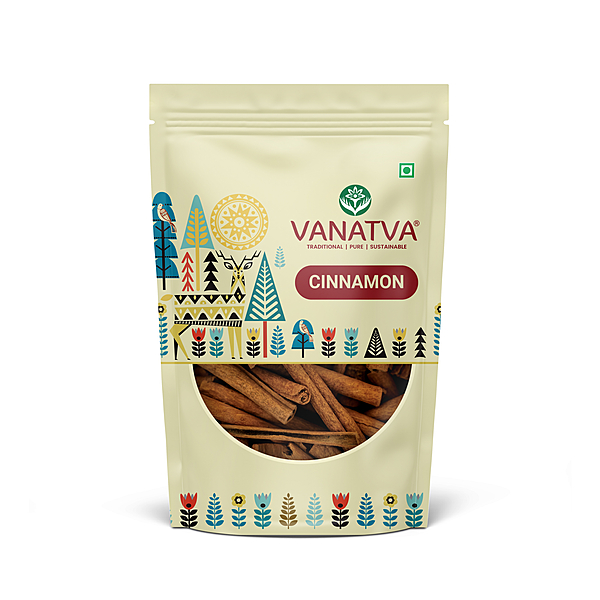
5. Cinnamon (Dalchini) - The Insulin Mimic
Though most supermarkets stock the Cassia variety of cinnamon in their aisles, the best quality Ceylon cinnamon and superior sweet barks are considered very precious in traditional Indian cooking. Cinnamaldehyde is the component that renders cinnamon its amazing abilities to regulate blood sugar levels.
Cinnamon regulates blood sugar levels by acting on insulin sensitivity at a cellular level, slowing the pace at which your stomach empties after meals so that you avoid sudden spikes in blood sugar. It also inhibits enzymes involved in carbohydrate digestion, thereby releasing steady amounts of energy into the bloodstream.
Key Health Benefits: Improves the function of insulin, reduces fasting blood sugar levels, and acts as an antimicrobial agent.
Tips to Use: Boil whole sticks in your morning oats, or use it to give your tomato-based dishes a delicate sweet flavoring.
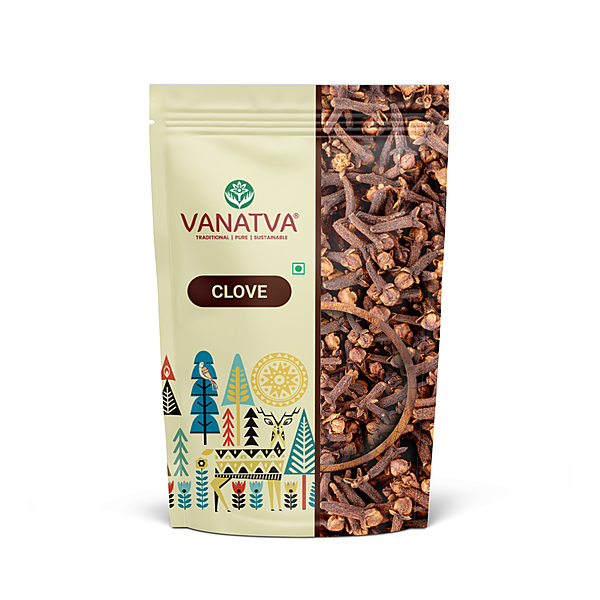
6. Cloves (Laung) – The Ideal Anti-Oxidant Armor
With the highest ORAC (Oxygen Radical Absorbance Capacity) rating, cloves stand out as one of nature’s finest antioxidant sources. Their potent numbing effect results from eugenol, which is a strong therapeutic volatile oil.
The presence of eugenol offers immediate protection against various pathogenic infections such as bacteria, fungi, and viruses. Whole cloves are often applied topically to soothe toothaches for generations now. In addition, cloves boost the functioning of the liver and aid in stabilizing bone density owing to their high manganese content.
Primary Uses: Alleviates dental pain, combats oxidative stress, and safeguards bone lining.
Use Instructions: Pierce an entire onion or tomato with 3-4 cloves while preparing curries, or infuse a single clove with your tea.
7. Coriander Seeds (Dhania) - The Systemic Cooler
The flavor profile of coriander seeds brings an energizing citric zing, providing a highly stabilizing presence in best Indian spice blends. Abounding with linalool, coriander has a predominantly antispasmodic and antihyperlipidemic effect on our body.
From an Ayurvedic point of view, coriander is unique in its ability to balance out all three doshas (body constitutions) of the Indian population without heating up their digestion process. Contemporary research confirms this by proving that coriander oil can effectively decrease the levels of LDL and triglyceride cholesterol, enhancing the proper functioning of kidneys and calming the irritation in the intestinal tract.
Primary Health Properties: Helps regulate cholesterol balance, decreases fluid retention, calms overactivity in the digestion process.
Usage Suggestion: Grind the seeds coarsely to make them a part of the rub for root vegetables roasting or boil them in water overnight to obtain a refreshing morning beverage.
8. Methi (Fenugreek Seeds) – The Metabolic Regulator
These are bitter and angular amber seeds with a distinctive scent resembling maple syrup. Fenugreek is an excellent source of soluble fiber especially galactomannan, which has a major contribution towards metabolic regulation.
The straightforwardness of the regulatory function of methi makes it an effective natural treatment for people dealing with Type-2 diabetes or aiming at regulating their lipid profiles naturally.
Primary health benefits include stabilizing excessive glucose fluctuations, improved insulin resistance, and aiding healthy lactation for nursing mothers.
Usage Tips: Soak one teaspoon of fenugreek seeds in a glass of water and consume this water upon waking up in the morning.
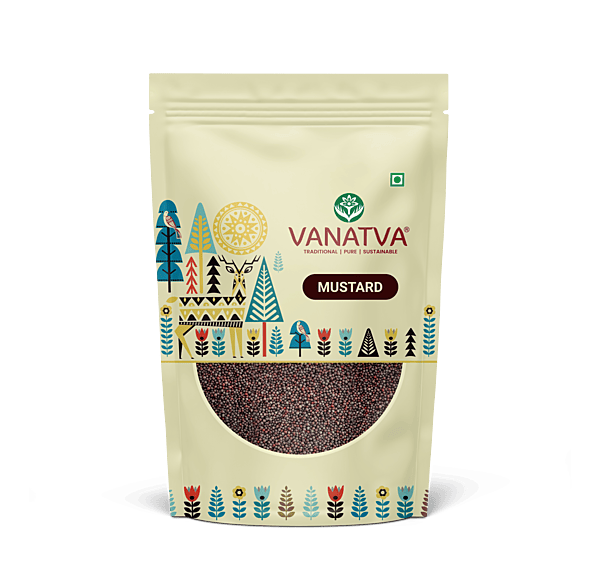
9. Mustard Seeds (Rai/Sarson): Cellular Protectors
In cooking, either the small dark variety (Rai) or the bigger yellow variety (Sarson) provides a hot, strong kick of spice in any dish. These seeds come from the brassica group, thus providing high levels of glucosinolates, or sulfur-based phytonutrients that stimulate your natural cleansing process.
Once crushed or heated by frying, these seeds produce an enzyme known as myrosinase, whose job is to convert glucosinolates to isothiocyanates. Studies show that this specific compound can help eliminate carcinogens and provide cellular protection against oxidative damage.
Health benefits: Activates liver detoxification, lowers inflammation, and acts as a powerful antimicrobial.
How to use: Warm a tablespoon of oil in a pan and add a teaspoon of mustard seeds; once they pop, pour the oil over cooked lentils or greens.
10. Fennel Seeds (Saunf) – Post-Dining Tonic
The moment you enter a traditional Indian restaurant, you cannot escape the fennel seeds in the bowl placed right before the door of exit. Also called Saunf, these seeds, which have the taste of licorice, are abundant in anethole, a chemical found in plants that is excellent for relaxing the muscles.
Fennel seeds are quick to act and relieve cramps as well as expelling gases. It allows for easy passage of gas and thus avoids post-dinner sluggishness and gas formation.
Health Benefits: Quick relief from gas and bloating, refreshes your breath, and reduces blood pressure because of high potassium content.
Usage: Eat a half teaspoon of uncooked fennel seeds thoroughly after your largest meal, or drink an infusion of boiled fennel seeds.
11. Hing (Asafoetida) – The Anticarminative Stimulant
This is a pungent and sulfur-containing resin derived from the roots of the Ferula plant. While raw asafoetida may have an intense smell, once it is dissolved in hot oils and ghee, its taste becomes milder with a unique umami flavor similar to garlic and onions.
Asafoetida is considered one of the most effective anticarminatives as it serves as an internal carminative and prevents the production of gases inside the body by inhibiting the proliferation of natural gas-causing bacteria in the body while digesting vegetables and beans.
Key Health Benefits: Removes intestinal gases, promotes enzymes secretion in the pancreas, and alleviates pain associated with menstruation.
Usage: Drop a small amount of hing at the onset of cooking in hot oils.
12. Ginger (Adrak) – Gastrointestinal Protective Spice
Though commonly used in its raw form, dried ginger powder (Sonth) is an important ingredient in many conventional spice blends. The healing effects of ginger are due to gingerol and shogaol, which are oils that work directly on the gastrointestinal tract and nervous system.
The spice ginger speeds up gastric emptying, thus facilitating movement of food from the stomach to the small intestine. Such effects result in rapid treatment of chronic nausea, motion sickness, and morning sickness. Moreover, its anti-inflammatory properties work like over-the-counter medications and relieve soreness and pains.
Major Health Effects: Treatment of chronic nausea, speed up digestion, and relief of inflammatory muscle pain.
Usage: Fresh ginger roots should be grated in warm water every day for good digestion, or dry ginger should be added to spice blends for roasting meat and squash.
13. Nutmeg (Jaiphal) – Central Nervous System Calming Agent
Nutmeg consists of the inside of the seed from the evergreen tree. It possesses a sweet and comforting fragrance. Myristicin is its key active ingredient, which is a natural chemical compound with mild effects on the central nervous system that causes relaxation.
According to Ayurveda, nutmeg can be considered a natural sleep aid. In smaller amounts, it can reduce neural activity and lower secretion of hormones responsible for stress, which in turn allows for the smooth onset of REM sleep cycles.
Safety Warning: Nutmeg is a very powerful spice and should always be taken in small amounts—no more than a little bit at a time.
Health Effects: Helps with sleep disorders, reduces nervous anxiety, and consists of chemicals that promote neuronal longevity.
Preparation Method: Sprinkle a little freshly ground nutmeg in your warm almond or dairy milk before going to bed.
14. Chakra Phool – The Immune Fortress
The eight-pointed seed pod of Chakra Phool is a gorgeous spice with a strong aniseed flavor profile that adds a unique taste to Garam Masala and other spice mixes. Apart from being attractive to look at, Chakra Phool is also a very potent medicinal plant.
It is the major natural source of shikimic acid, which acts as a precursor molecule in the synthesis of anti-viral medicines all over the world. By ingesting Chakra Phool as part of your food intake, you can fortify yourself against any kind of infection, as the spice provides the body with anti-viral, anti-bacterial, and anti-fungal qualities.
Benefits: Provides excellent anti-viral protection, kills gut pathogens, and helps cleanse the lungs.
How to Use: Add one whole pod of Chakra Phool to your white or brown rice when it is boiling, or add it in soups and tomato bases.
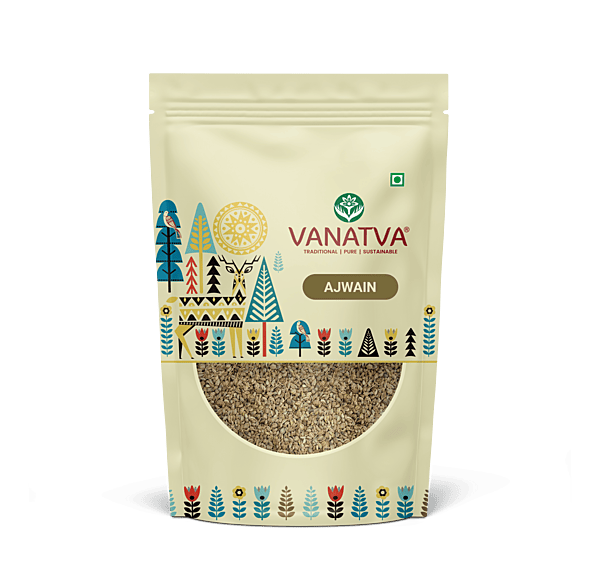
15. Carom Seeds (Ajwain) – A Remedy for Acute Digestive Issues
Carom seeds resemble small cumin seeds, but they have a very pungent taste that is largely composed of thymol, giving them the same flavor as wild thyme. They are consumed for quick relief of acute gastrointestinal issues.
The large amounts of thymol present in the carom seeds make them a tough bactericidal and fungicide agent for the intestinal tract. This substance aids in relaxing spastic muscles in the intestine, providing quick relief from stomach pains, sour burps, and acute digestion problems.
Key Health Benefits: Offers quick relief from acute digestive issues, serves as a natural decongestant, and cleanses the respiratory passages.
Application: Boil a teaspoon of carom seeds in water, drain it, and drink the liquid when experiencing acute abdominal bloating or heaviness in the stomach.
Comparing the Science Behind Health Benefits of Indian Spices
To maximize the health benefits of Indian spices, it can be helpful to map out their primary therapeutic actions side by side:
Spice | Active Compound | Primary Therapeutic Action | Best Culinary Pairing |
Turmeric | Curcumin | Chronic Anti-Inflammation | Lentils, Ghee, Black Pepper |
Cumin | Thymol | Digestive Enzyme Stimulation | Roasted Root Vegetables, Yogurt |
Cinnamon | Cinnamaldehyde | Insulin Sensitivity Regulation | Porridge, Tomato Sauces, Stews |
Cloves | Eugenol | Concentrated Antioxidant Shield | Slow-Simmered Broths, Teas |
Fennel | Anethole | Gastrointestinal Muscle Relaxant | Post-Meal Chew, Infusions |
Star Anise | Shikimic Acid | Advanced Anti-Viral Support | Rice Dishes, Bone Broths |
Unlocking the Secrets of Spice Purity
In order to tap fully into all the health benefits of Indian spices, where your spices come from is key. Spices that are mass produced and extensively processed tend to lose their beneficial volatile oils due to high heat during mechanical grinding, and may even be mixed with harmful chemicals meant to stop them from clumping up.
Are you ready to make the leap from inferior alternatives in the grocery aisle to the most pristine and sustainable botanics? Check out the carefully curated offerings available at Vanatva. Vanatva prides itself on procuring only the purest, highest in nutrients, and sustainably grown spices straight from local farms in India. By preserving them through minimal and direct processing, Vanatva ensures the delivery of the life force-filled volatile oils, the powerful antioxidants, and all the medicinal value of these spices in its purest form right to your kitchen. Enhance your cooking experience with health-promoting herbs found at www.vanatva.com.
FAQs
1: What would be the best way to maximize the health advantages of turmeric while cooking with it?
A1: Turmeric should always be cooked along with a bit of black pepper and some healthy fats such as ghee or coconut oil. Turmeric, when consumed alone, does not have any absorption properties within the body. There is a compound found in black pepper known as piperine which increases the absorption capacity of turmeric by 2,000 percent.
2: Are there chances for raw spices to lose their medicinal value with time?
A: Yes, it is true. When mass-produced spices are ground using mechanical heat, then it becomes impossible for their essential oils to stay within them.
3: What are some Indian spices useful in preventing bloating caused by a heavy meal?
A: Saunf and Ajwain provide quick relief. Saunf contains a kind of oil that soothes tight stomach muscles while allowing the release of excess gases from the body. Saunf can be consumed directly or made into a tea by boiling it in water.
4: Can we consume powerful spices such as nutmeg and Hing on a regular basis?
A: These spices are entirely harmless when taken in small quantities. For example, Hing should be added directly to hot oil in tiny quantities right before the cooking process begins. Since nutmeg is a powerful spice, it should be added to warm milk in minute quantities before bed.
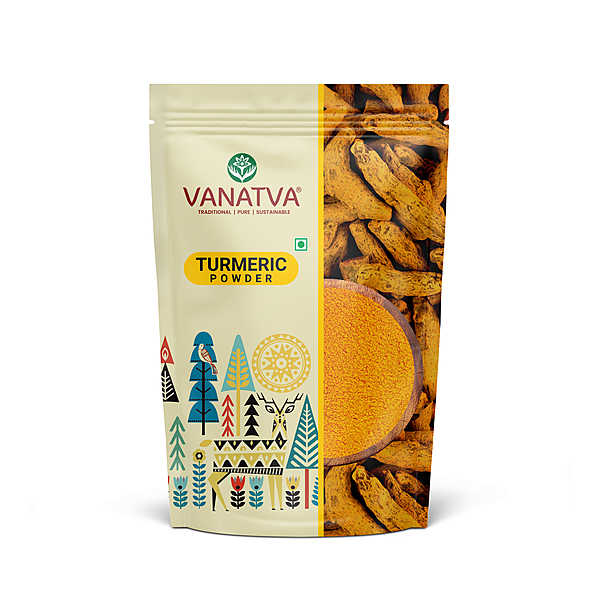
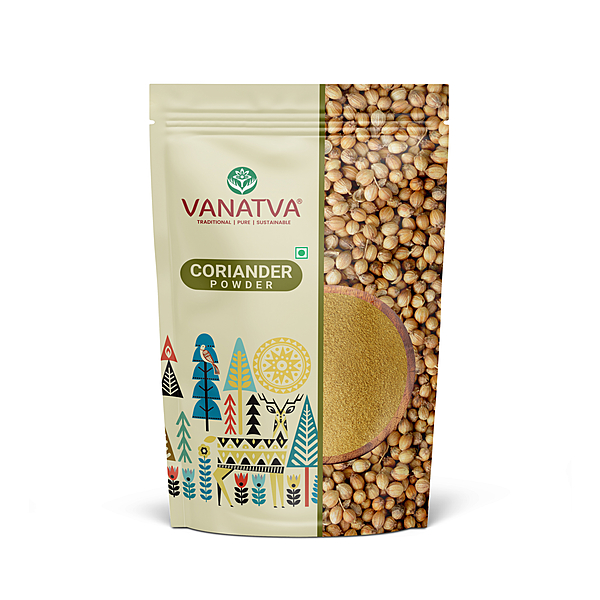
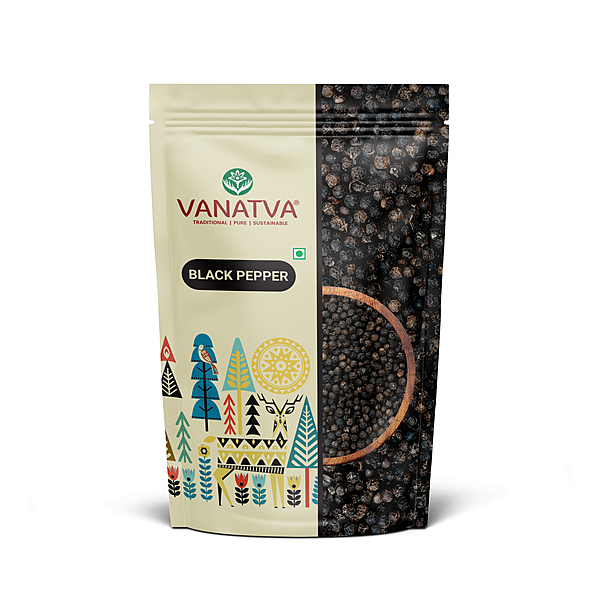
![Red Chilli Powder [ Stemless]](https://cdn2.zohoecommerce.com/product-images/single+front.jpg/3266163000000098808/600x600?storefront_domain=www.vanatva.com)
![Methi [ Fenugreek seeds ]](https://cdn2.zohoecommerce.com/product-images/single+front.jpg/3266163000000096270/600x600?storefront_domain=www.vanatva.com)




![Asafoetida [ Hing Compound Powder ]](https://cdn2.zohoecommerce.com/product-images/ChatGPT+Image+Sep+8%2C+2026%2C+01_44_05+PM+%281%29.png/3266163000001793159/600x600?storefront_domain=www.vanatva.com)