
 TL;DR
TL;DR
Curious about why cold pressed oil is superior? Here are all the facts that you should be aware of within one minute:
Cold pressed oil's meaning is simple: it's an oil extracted by squeezing of nuts or seeds using mechanical force without adding any chemicals and at room temperature.
The difference between refined and cold pressed oil is in processing conditions – normal oils involve chemical components such as hexane, heating over 200oC. This oil retains all its nutrients, such as vitamins and antioxidants.
Benefits of cold pressed oils: It boosts your heart condition and lowers cholesterol levels. You can use this oil for moderate heat cooking or salad dressing.
The Complete Guide to Benefits of Cold Pressed Oils
For as long as history can remember, the shelves of our grocery stores have been packed with oils that are highly refined, stable, and odorless. Such oils are perceived to be superior compared to their counterparts, and therefore many individuals favor such oils in their cooking. But thanks to new findings about inflammation in nutritional science, there is an increased trend of embracing conventional food preparation techniques.
One major component in this culinary revolution is cold pressed oil. As opposed to factory-produced chemical-based methods used by factories to extract oils, cold pressed oils involve pressing seeds and nuts inside hefty wooden mortars. Cold pressed oils are the best source of high-quality nutrition within the modern era. In this article, we explore the process involved in extracting cold pressed oils, differentiate between cold pressed oil and regular oil, determine common varieties of cold pressed oil, and discover the health benefits of cold pressed oils.
What is Cold Pressed Oil?
The first thing we have to do in order to address our query about cold pressed oil is to look into how this particular type of oil is produced. Cold pressed oil refers to an oil that comes from a seed, nut, or fruit through the use of physical processes without any application of heat.
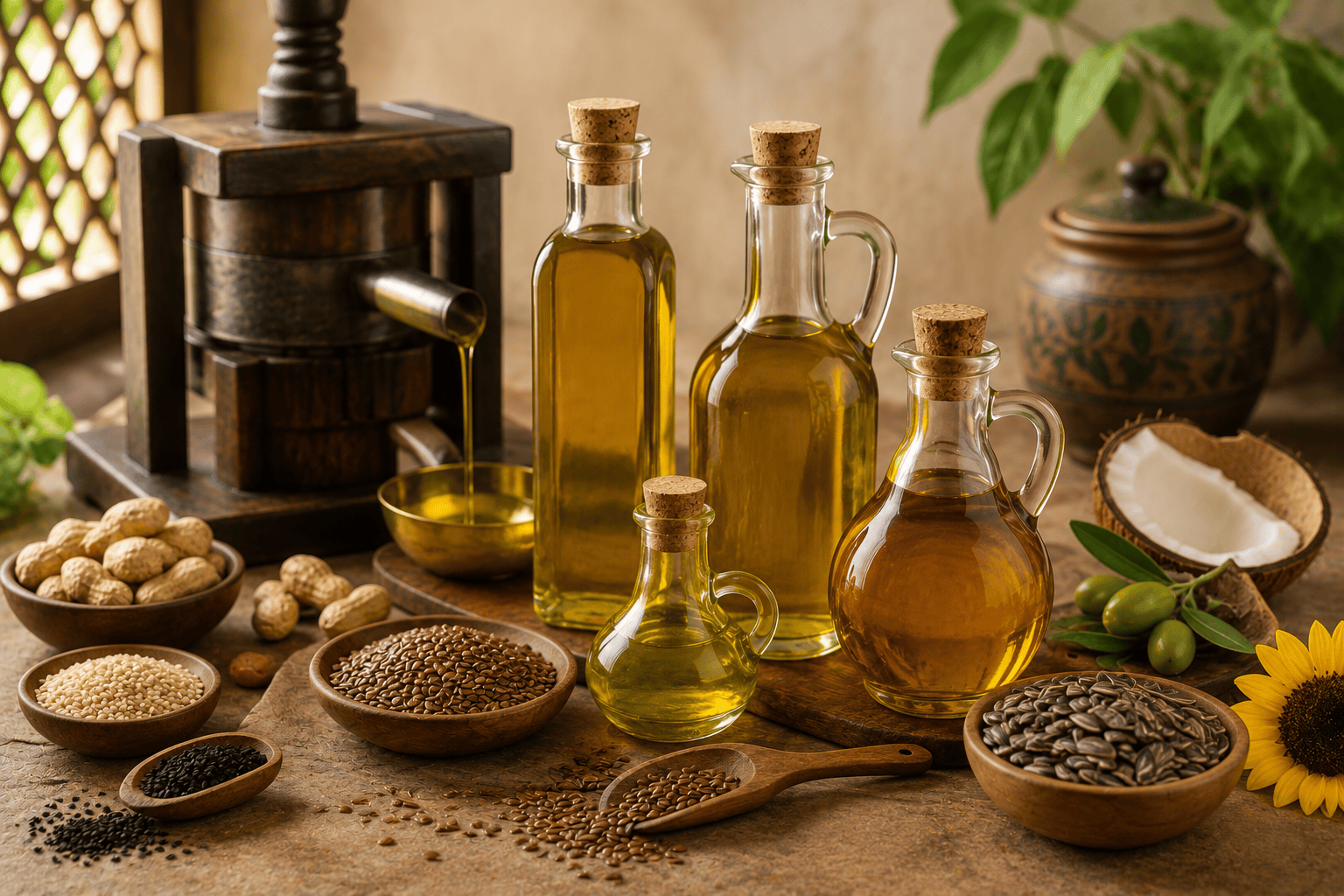
Traditionally, this was achieved in India through the use of a ghani or chekku – mortar and pestles that are made to turn due to the work of livestock. At present, this can be done via expeller presses; however, one constant among all methods is the control of temperature below 49oC or 120oF.
This helps maintain the cellular matrix of the raw oil. The result is that the full essence and characteristics of the oil, including color, odor, vitamins, and unsaturated fatty acids, are preserved.
Differences Between Cold Pressed Oil and Normal Oil
Ever wondered why cold pressed oil is better? The answer lies in its difference with the regular ones.
There are differences in structure of cold pressed oil vs normal oil, which refers to a heavily processed commercial oil that occurs only at the factory oil refining stage. In order to maximize the output of the oil, industrial oil producers leverage the chemical methods to extract all the oils in the seeds.
Factory Oil Refining Process (Normal Oil)
Factory oil refining is a process that involves heat and chemical treatments:
Solvent Extraction using Hexane: The seed is subjected to various forms of treatment with chemicals such as hexane in order to obtain maximum oils.
Degumming and Neutralizing: This process takes place through acid and alkali where phospholipids and other fatty materials are extracted.
Bleaching: This is a process where bleaching clays are used to bleach away the natural color of the oil.
Deodorizing: It involves heating the oil up to temperatures of 220oC or 260oC (428oF or 500oF) using vacuums.
What Makes Cold Pressed Oil Better?
Lipid undergoes high temperature processing as well as chemical reaction in the process of deodorizing, and hence, the molecular structure gets affected. Therefore, there are three significant demerits associated with normal oil:
Loss of Nutrients: All micro-nutrients such as Vitamin E, beta-carotene, and sterols get destroyed.
Trans Fat Formation: The process of high temperature might change the structure of unsaturated fatty acids, hence forming minute quantities of trans fat and lipid peroxides, causing chronic inflammation of the heart.
Tasteless: The refined oil will become chemically neutral in nature and thus tasteless.
Since cold-pressed oils don't require such damaging treatment, they are better since they retain all the natural qualities of the plant.
Major Types of Cold Pressed Oils
Various seeds differ in the composition of their fat, smoking temperature, and use in preparing foods for day-to-day consumption. Below are some of the common types of cold pressed oils that find application in healthy cooking.
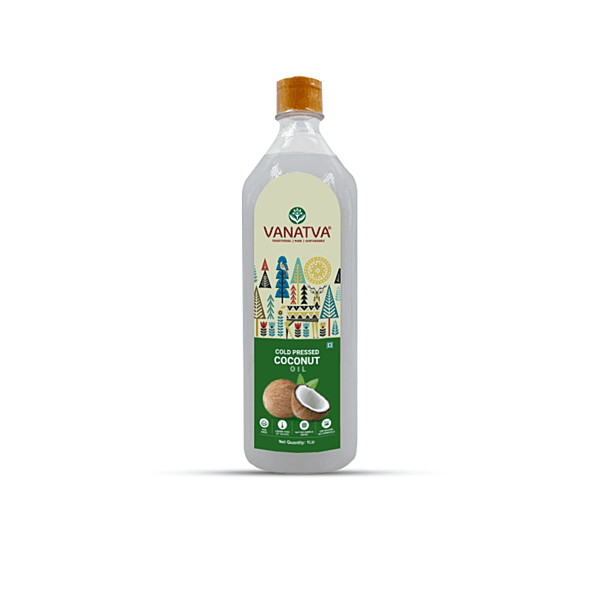
1. Cold-Pressed Coconut Oil
Produced from the fresh pulp of matured coconut fruits, this oil has a melting point that requires low room temperatures because of its high saturated fats content. Unlike other saturated fats, this oil does not have long-chain fatty acids but rather consists of Lauric Acid and Medium-Chain Triglycerides. The latter bypass normal fat storage pathways, being absorbed directly by the liver as a source of instant cellular energy.
Flavor: Tropical, sweet, and creamy taste.
Ideal Uses: Baking, stir-frying at medium temperatures, and in coastal curry dishes.
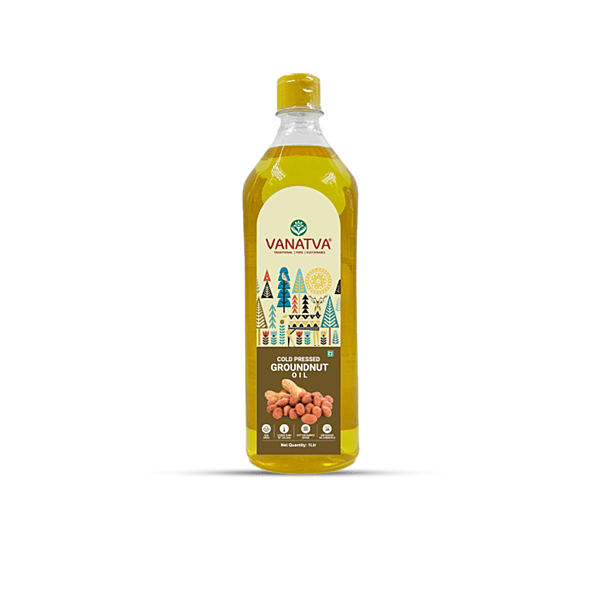
2. Cold-Pressed Groundnut (Peanut) Oil
This oil is a household essential in most Asian and Indian homes. It is highly rich in monounsaturated fatty acids (MUFAs), with decent amounts of resveratrol, which is an excellent antioxidant for heart health.
Taste: Rich, nutty, earthy, and robust.
Ideal Uses: Sautéing, shallow frying, and tempering spices.
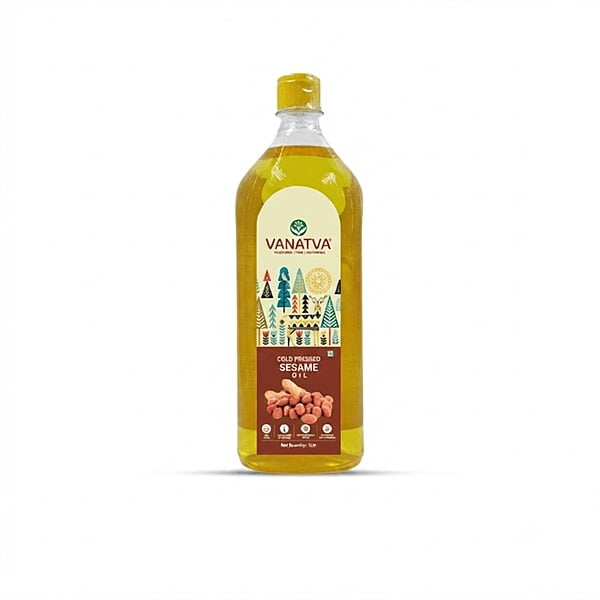
3. Cold-Pressed Gingelly (Sesame) Oil
This oil has several medicinal uses and is widely used in East Asian cuisine. It is rich in unique lignans such as sesamin and sesamolin that have antioxidant properties, acting as preservatives within our bodies.
Taste: Savory, aromatic, and intensely flavorful.
Ideal Uses: Dipping fried foods after preparation, adding flavor to noodles, and preparing Indian spice paste.
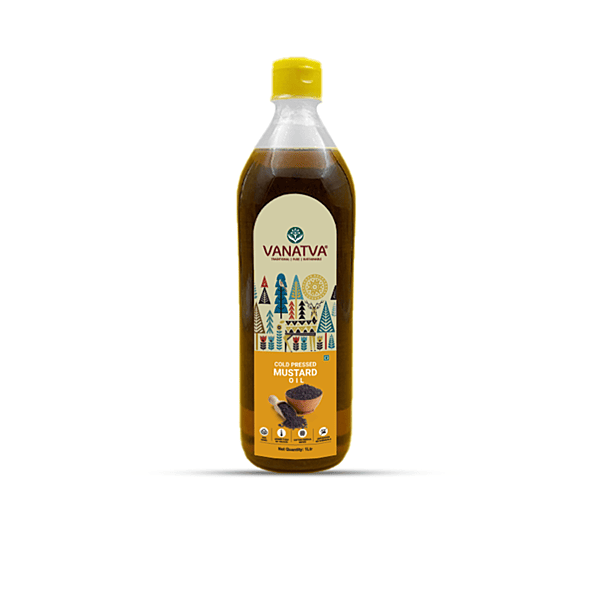
4. Cold-Pressed Mustard Oil
A widely used oil in Eastern and Northern parts of India, cold-pressed mustard oil is renowned for its unique sharpness and pungency. The oil has a perfect blend of 1:1 ratio between omega 3 and omega 6 essential fatty acids, and allyl isothiocyanate, which is a natural antimicrobial.
Flavor: Sharp, sinus-clearing, pungent, and peppery.
Uses: Preservation through pickles, marination, and North Indian gravy preparation.
Health Benefits of Cold Pressed Oils
Replacing refined fats for cooking with unrefined cold-pressed alternatives brings about a wide range of advantages to certain systems in the body:
1. Cardiovascular System Support
Since these oils are never exposed to extremely high temperatures during production, their sterols and mono-unsaturated oleic acid content are kept entirely intact. By consuming such good fat in the body, one is able to boost high-density lipoprotein (good cholesterol) and eliminate low-density lipoprotein (bad cholesterol).
2. Vitamin E and Anti-Oxidants
The process of pressing keeps large amounts of tocopherols (Vitamin E) and phenols contained within the oil content. These act as the body’s guards by eliminating free radicals in the body, strengthening cell membranes, and reducing oxidation in the body.
3. Kind to the Digestive Tract
High-quality commercial oils contain minute traces of harsh chemical components such as hexane and phosphoric acid, which may irritate the tender mucosa over time. Pure cold-pressed oils provide a safe and healthy alternative by soothing digestive tracks and ensuring proper nutrient absorption.
Safe Cooking with Cold-Pressed Oils
There is a misconception that one cannot use cold-pressed oils for hot cooking because they have a lower smoking point compared to refined and chemically treated oils. In fact, cold-pressed oils are remarkably sturdy when cooked in moderation.
Smoke Point Golden Rule: The smoke point is defined as the point at which an oil starts smoking due to breaking down into free radicals.
Due to their high natural content, cold-pressed oils smoke slightly earlier than other oils. But because of their antioxidant content, they do not oxidize when subjected to standard cooking temperatures.
Oil Type | Approximate Smoke Point | Best Cooking Application |
Cold-Pressed Groundnut | ∼160∘C (320∘F) | Medium-heat frying, everyday sautéing, stir-fries |
Cold-Pressed Coconut | ∼177∘C (350∘F) | Baking, pan-searing, low-temperature stews |
Cold-Pressed Sesame | ∼175∘C (347∘F) | Light sautéing, sauces, marinades, finishing oil |
Cold-Pressed Mustard | ∼190∘C (374∘F) | Traditional Indian tempering (tadka), roasting, shallow pan-frying |
In order to maintain the nutrients present in these oils, it's sufficient not to fry them or to heat them until they start heavy smoking. Heat the oil in a slow way, allowing your pan to warm up gradually over a medium heat, and don't subject your pan to excessive heat from the start.
Pure Oil – Feel the Difference
It is crucial to understand the benefits of cold pressed oils in order to use them properly. Some commercial producers might label their products with a "cold-pressed" sign but still use additional high-temperature stages or bottles that may contain chemical phthalates, which are leached into the fat in grocery store lights.
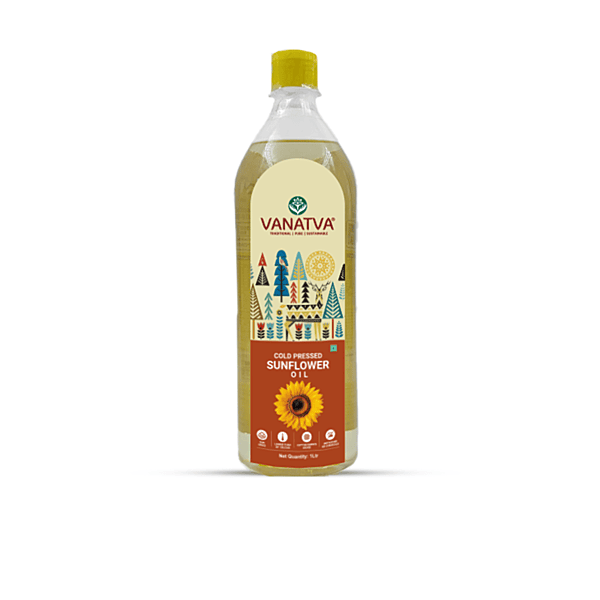
Are you willing to enrich your kitchen with natural, organic cooking oils? Browse the wide selection offered by Vanatva! Vanatva provides you with an amazing choice of oils extracted using old-fashioned and traditional methods with the help of low-speed wood-presses called "ghanis." Thanks to this technology, you receive only the best and purest oils, with all their original flavors, aromas, and healthful properties remaining intact. Visit www.vanatva.com to buy pure essentials now!
FAQs
Q1: Will cold-pressed oils be suitable for daily deep frying?
A: It will not be suitable because deep-frying is not recommended. Cold-pressed oils are best suited for daily frying, sautéing, pan-searing, and tempering (tadka). On the other hand, deep frying involves intense heat that damages the oil's nutritional value.
Q2: Why are cold-pressed oils expensive compared to regular cooking oils?
A: In refined cooking oils, the production process involves harsh chemicals and intense heat to extract as much oil as possible from seeds or fruits. The method may reduce production costs. In contrast, cold-pressed oils require just mechanical force to produce low-quality oil.
Q3: How do I store cold-pressed oils to preserve them?
A: Cold-pressed oils need to be kept in a cold and dark area in your kitchen pantry. Never expose them to any sources of heat, as they will cause them to expire faster. The oils used are pure products with no artificial preservatives.
Q4: Are there differences in color and smell between cold-pressed oils and other refined oils?
A: Yes, cold-pressed oils differ completely with refined oils when it comes to both color and smell. Commercially-refined oils have been stripped of their natural color through the bleaching process and deodorized to produce no smell.